Volunteer with us
Get hands-on with Wildlife Rescue
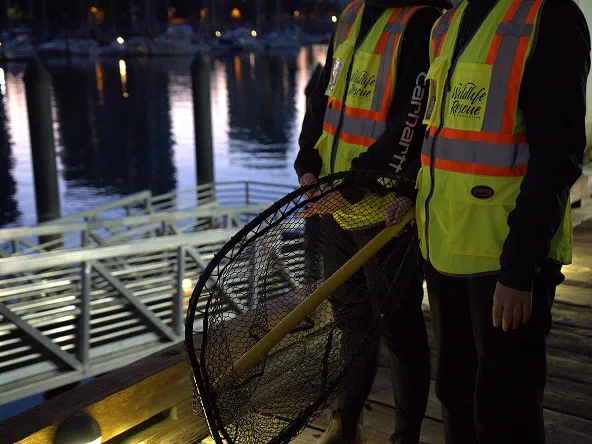
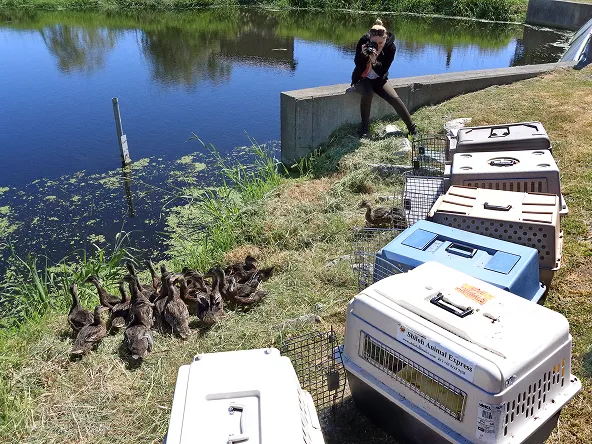
Whether on the frontlines or behind the scenes, on-site or traveling as part of our Rescue and Transport crews, you can help wildlife in distress with your energy, skills and dedication.
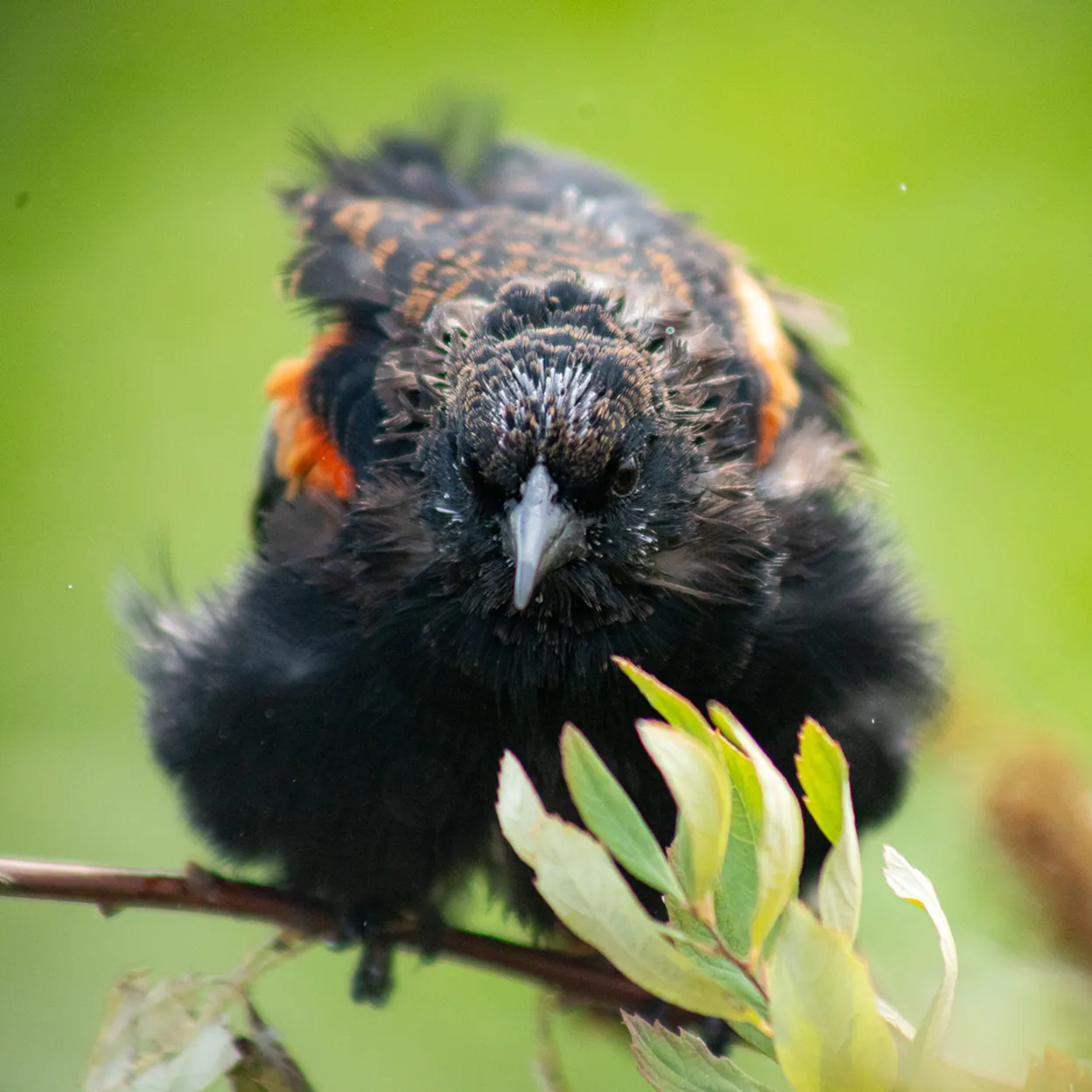
Driven by our volunteers
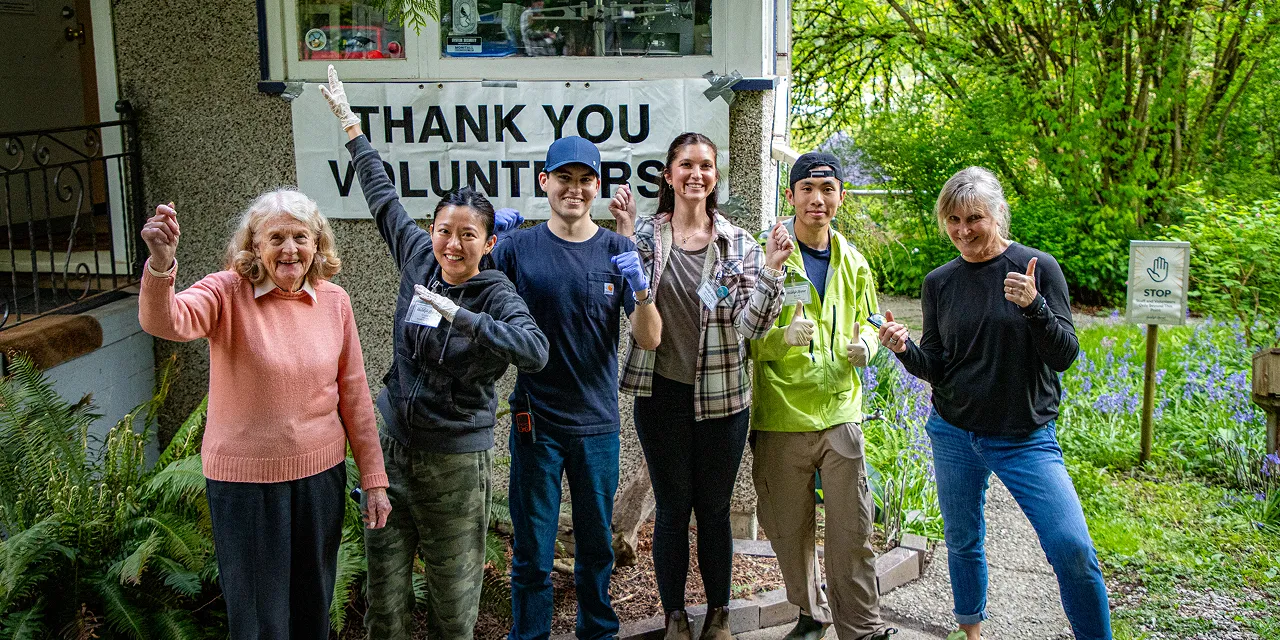
Every year, more than 200 volunteers dedicate over 20,000 hours of their time to our daily operations. They help us further our cause to promote the welfare of birds and other wildlife and give them a second chance at life.
Ways to volunteer
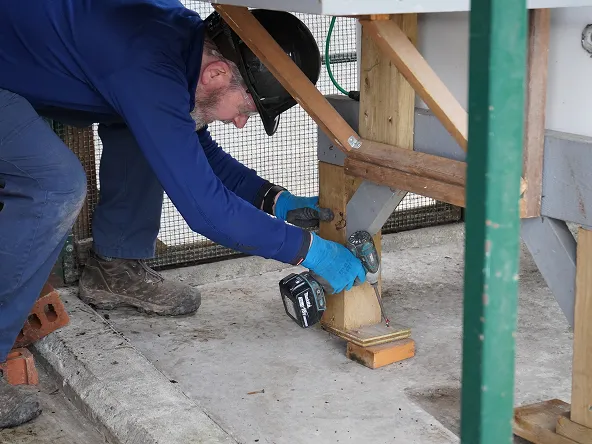
These are some of the most common ways that you can get involved. If any of these sound like a way that you'd like to donate your time, then you might be ready to become a Wildlife Rescue volunteer!
View current opportunities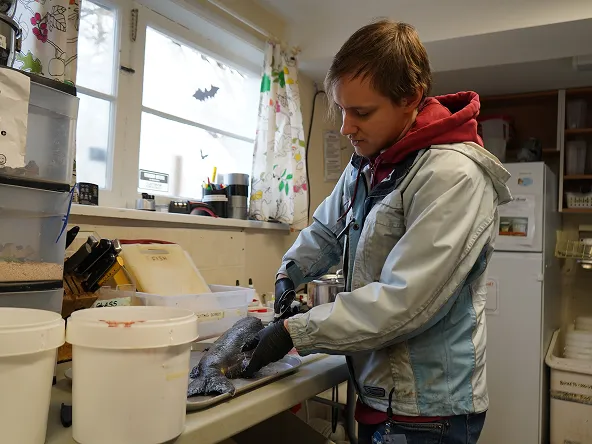

Frequently asked questions
These are the most common questions about volunteering with Wildlife Rescue. For international volunteering and work experience or practicum opportunities, please connect with us at volunteer@wildliferescue.ca prior to applying to learn more about current opportunities for these programs.

Previous experience and wildlife training is not necessary to volunteer at Wildlife Rescue Association of BC, though it is appreciated. All our volunteers will complete necessary training and mentoring by experienced and knowledgeable volunteers and staff members. Wildlife Rescue’s orientation and training programs open a wide range of opportunities to grow your existing skills in various disciplines and gain new knowledge, as you gain more experience within the organization.
Wildlife Rescue follows the guidance and direction of British Columbia’s provincial health officer. We support BC Ministry of Health recommendations on any vaccination requirements. We operate with the following safety practices in place:
- Frequent hand-washing and frequent disinfection of high touch surfaces
- Mask wearing is required when working with animals
- No people on-site with cold/flu/COVID-19 symptoms. Anyone who is symptomatic is asked to stay home until symptoms are no longer present
Wild animals can carry a variety of zoonotic diseases that present a risk to humans or other animals.
Wildlife rehabilitators are trained in safe animal handling and quarantine procedures and keep up to date with the latest emerging diseases.
It is important that you are aware of the types of zoonotic diseases and the risks associated with them as well as procedures and protocols that have been put into place to prevent the spread to both people and patients.
When working with or near wildlife, your health and safety must be your priority. Staff will do everything they can to screen for any infectious disease and reduce the chances of contamination. Learning and taking the steps needed to protect yourself from injury and illness is part of being a responsible, healthy and able volunteer at our organization. This is why a tetanus immunization is required for all the volunteer positions. Wildlife Rescue will provide all necessary Personal Protective Equipment (PPE) and address if infectious diseases are at higher risk or suspected.
Any interactions with the animals are only for necessary care procedures.The wild animals at the Hospital should not be petted, cuddled, talked to or played with to minimize their stress levels and risk of habituation wherever possible. Increased stress levels can result in decreased healing or potential death. Habituation is when they become too accustomed to human contact and can result in death after release.
All Wildlife Rescue volunteers start with a minimum commitment of 100 hours.
As an Animal Care or Helpline volunteer, you will be asked to volunteer for on a regular weekly shift (ie. same day and time each week). These shifts are 4-5 hours depending on season.
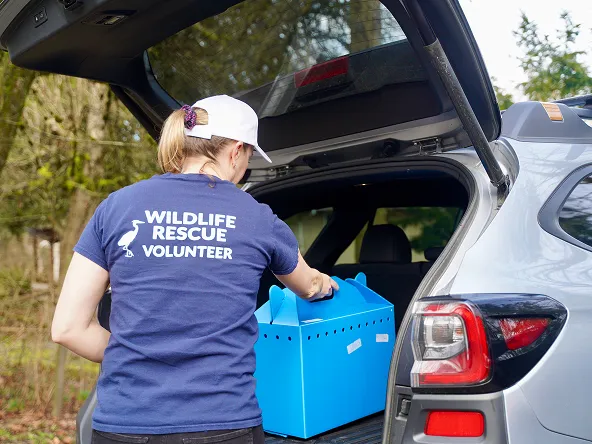
Transport volunteers must be available for at least 1 time slot per week.
Our volunteer roles are suited for people aged 14 and older. 14-15 year-olds are restricted to the seasonal role of Welcome Volunteer due to the health risks associated when working with wild animals. We welcome you to apply for this role once you turn 14, and apply to other roles once you turn 16.
Volunteering at the Animal Hospital is not child-friendly. The environment can often be fast-paced, intense, and emotional. Volunteering with animals can be dirty, demanding and needs to be done rain or shine. There are many risks associated with the work that we do, including zoonotic diseases.
The process might take a few months, so please be patient! You can complete an application and watch the recorded Information Session at any time. You will then be able to sign up for the next Meet and Greet if your preferred role is Animal Care or Transport. This is a virtual group interview. If successful, you will then be added to a training wait list and invited to attend a training session when volunteer shifts become available for your desired role. Our busiest recruitment is early in the year in preparation for the busier spring/summer season. During the autumn/winter, we recruit on an ‘as needed’ basis.
The availability for our positions changes throughout the year, so we may not have your desired role available at this time. However, we recruit many volunteers for various different roles in early spring for our busy summer season each year.
Meet and Greets are scheduled on an as-needed basis when we are recruiting large volumes of volunteers, usually in the spring.
While volunteering does not lead directly to being employed by WRA, it certainly goes a long way in demonstrating your interest in the organization and in wildlife rehabilitation, and making yourself known to staff. You will also be more familiar with the different roles in the organization, and are more likely to hear when a suitable role is vacant. Every year we apply for grants from the Canada Summer Jobs program. Some of our volunteers who are eligible for the program have been employed in these roles, as well as being employed into permanent roles.
Yes, your hours can be applied to your high school requirement. We require a minimum commitment of 100 hours. We suggest that you apply early as the recruitment process can take some time, and we do sometimes reach our limit of the number of participants we can supervise in this capacity. You will also need to be flexible with your availability so that we can fit you into our schedule, and you may need to pick up some extra shifts to ensure you reach your hours in time. It can take around 6 months to complete 100 hours unless you pick up extra shifts. You will need to track your hours yourself to ensure that you have completed them by your deadline. Work experience applications will only be accepted via this link.
We appreciate as much flexibility as possible to ensure even coverage across our shifts. However, we understand that life happens. If your schedule changes, you can inform the Volunteer Program team and they will try to find another suitable slot for you. If that doesn’t work, you can remain on the ‘on call’ schedule to fill short shifts.
Providing you can still commit to one shift per week, this may be possible, particularly in the busy summer season. If you have regular access to a reliable vehicle, the best option for you may be the role of Transport Volunteer, which is undertaken on an ‘on call’ basis.
We work with partner organizations across the Lower Mainland to ensure that all animals are taken to a facility specializing in their care. Across the Lower Mainland there are numerous facilities that specialize in raptors, small mammals, owls etc. They can provide specialized treatment through specific enclosures and expertise. We make sure that we are available for all the animals that have nowhere else to go. At this time that is mainly birds and bats. We are the only organization in the Lower Mainland to rehabilitate bats.