About us
Let's keep wildlife wild
Through education and rehabilitation, we work to help birds and other wildlife stay where they belong: in their natural habitat.
Where wildlife and humans coexist
As human activity increases and populations grow in urban areas, it’s more important than ever to mitigate our impact on the wildlife whose habitats are affected.
Wildlife living in urban areas face dangers such as busy roads, loss of habitat, pollution, pet predation, and unsecured garbage. We believe it’s our shared responsibility to prevent and minimize these harms.
Through the generous funding and support from our communities, we work to create a world where wildlife and humans can live together peacefully.
Together, we are making a difference
Your support is crucial to wildlife. Thanks to our communities and donors, we’ve treated tens of thousands of animals over more than four decades. We’ve also worked to educate the public in coexisting with wildlife in urban settings, preventing countless wildlife injuries and negative interactions between the community and wildlife.
Our vision
To continually improve the welfare of urban wildlife.
Our mission
To provide leadership in rehabilitating wildlife and in promoting the welfare of wild animals in the urban environment.
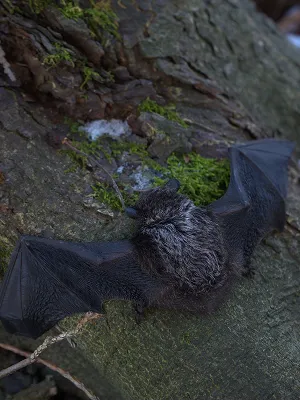
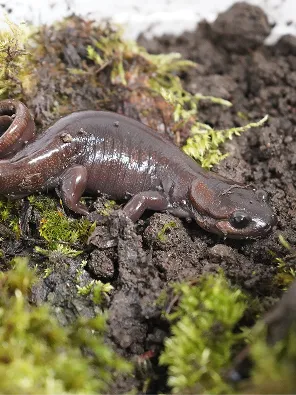
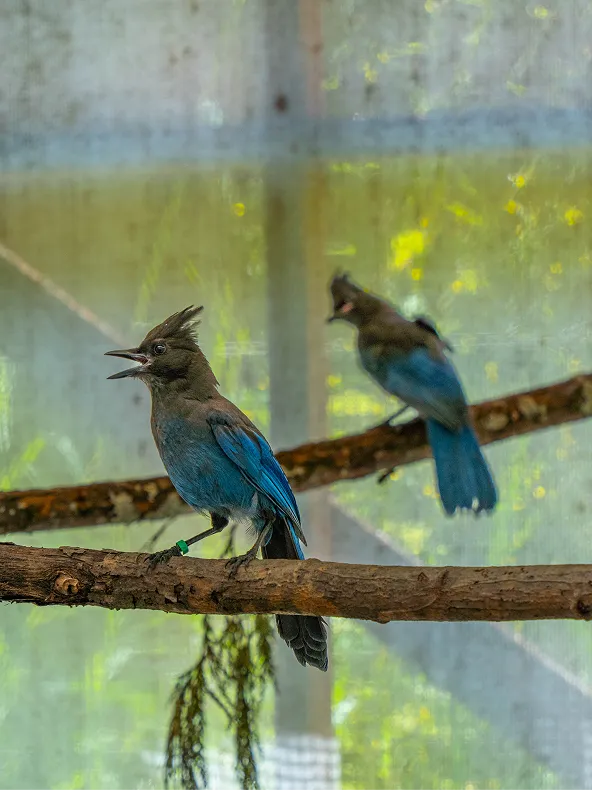
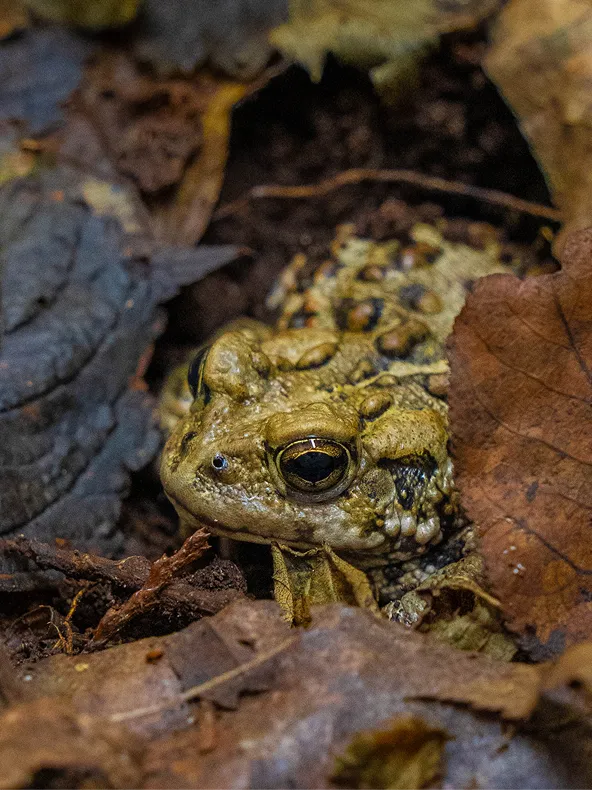
Our values
- We believe that each wild animal deserves our respect.
- We keep animals wild and return animals to their natural environment to live independently.
- We help to prevent harm to wildlife and to protect wild animals in their natural environment.
- We appreciate our people and provide them with a safe, respectful, and fulfilling environment.
- We act in an ethical and transparent manner.
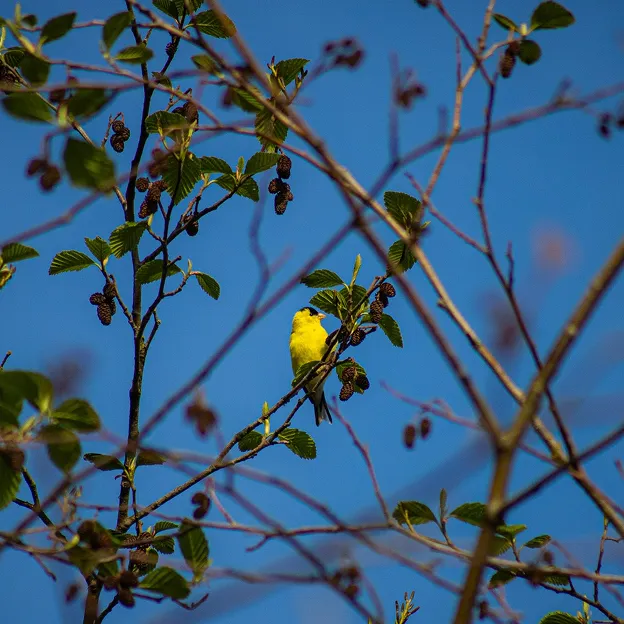
Refuge and care since 1979
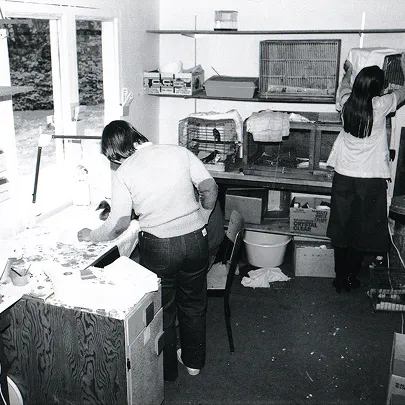
1979
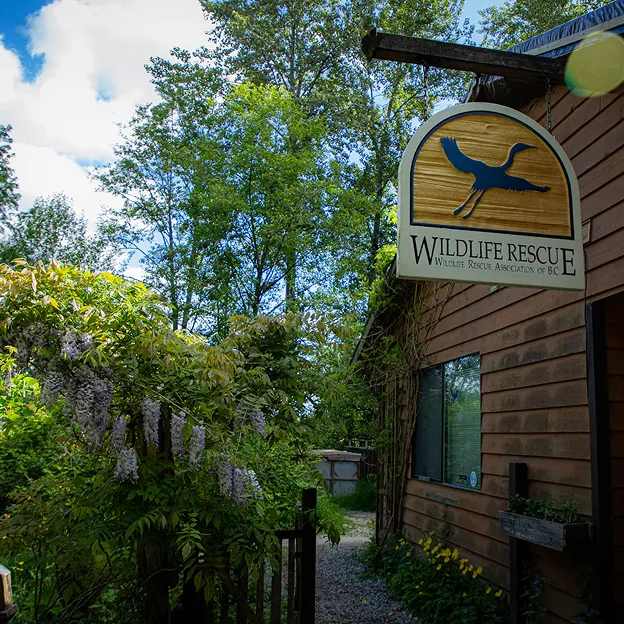
Members of the public have limited options if they come across a wild animal in distress. Recognizing this need, a group of individuals form the Lower Mainland Wildlife Rescue Association.
1985
The Association’s name changes to Wildlife Rescue Association of B.C. and the organization remains open year-round. Wildlife Rescue treats 52 oiled birds, representing the organization’s first oil spill rehabilitation response.
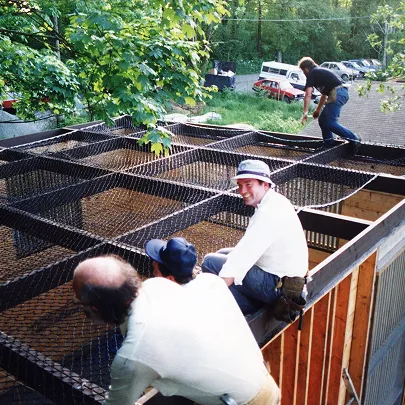
1992-1996
Wildlife Rescue’s facility expands to include a two-story flight pen, a waterfowl rehabilitation pen, a swan pen, and a mammal pen with the help of a volunteer building crew.
2016
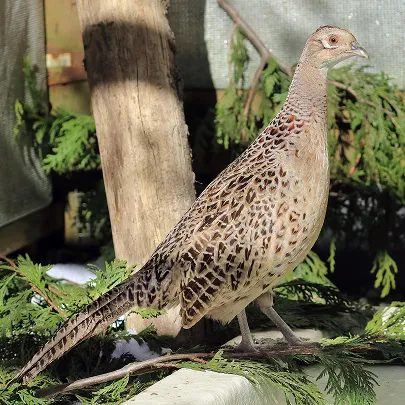
Wildlife Rescue admits its 100,000th patient.
2017
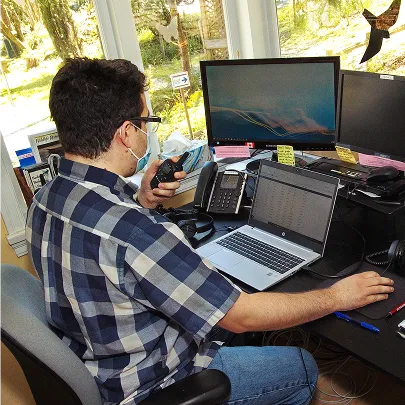
The Support Centre is established in response to the growing need for public assistance with wildlife encounters and inquiries.
2024
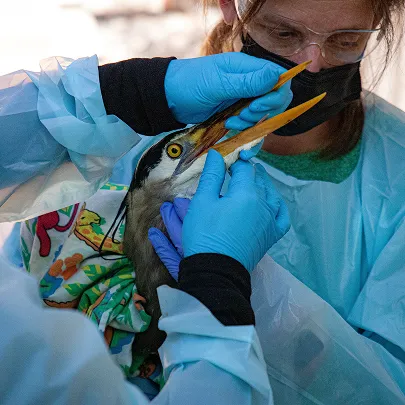
Wildlife Rescue celebrates 45 years of rehabilitation, refuge and care for wildlife in distress.
Our leadership
Our board of directors is passionate about Wildlife Rescue’s mission. They help guide our decisions and direction as we work to provide leadership in rehabilitating wildlife and in promoting the welfare of wild animals in the urban environment.