What we do
Wildlife wellbeing through rehabilitation and education
From medical care to transport to education, our operations all work together to support our goal of helping wildlife affected by human activity.

United by one purpose
Wildlife Rescue is driven by several different Wildlife Programs working in unison. Each part of our organization plays a different role but we all work toward the same mission.

We’re guided by our responsibility to help wildlife live free from the impact of human activity.

Our core purpose is to keep wildlife wild and to return the animals we treat to their natural habitat as soon as possible.

Wildlife Rescue is fueled by volunteers, donors and our community.

We work in the Lower Mainland and across B.C., treating wildlife from as far away as Williams Lake and Haida Gwaii.
Wildlife rehabilitation centre
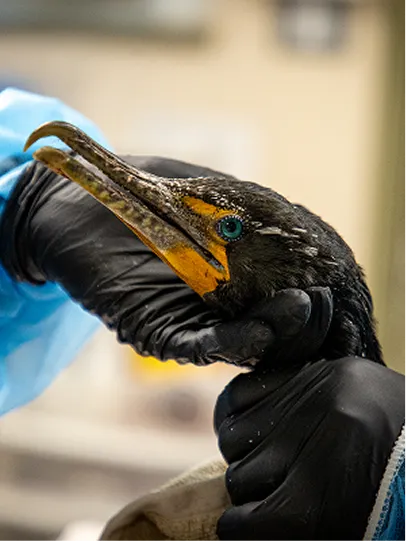
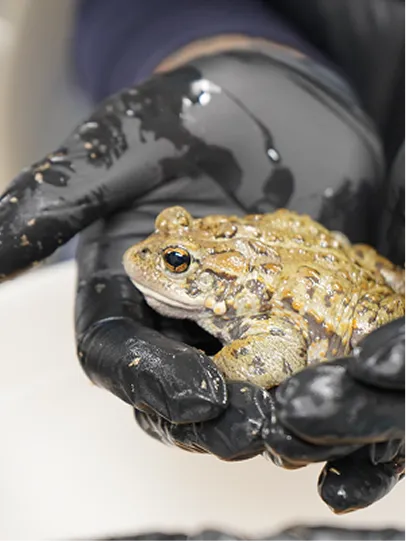
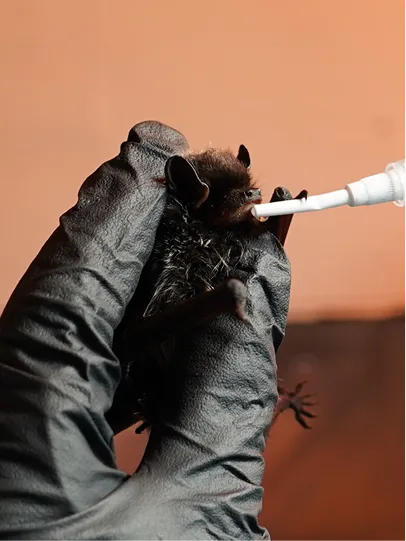
Our wildlife rehabilitation centre is one of the busiest in Western Canada, treating birds, bats, reptiles and amphibians injured by pet attacks, window strikes, vehicle collisions, and other human activity. We do all of this with the goal of releasing the animals back into the wild where they belong.
- Provide critical medical interventions for injured wild birds, bats, reptiles and amphibians
- Hand-rear orphaned wild babies
- Provide pre-release conditioning for all rehabilitated patients
- Offer expert care from intake to release
Support Centre
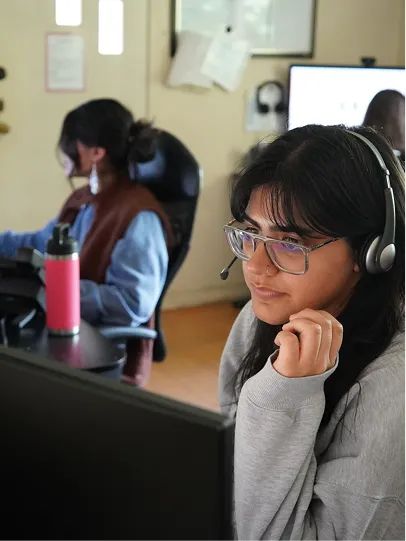
Our Support Centre is your first point of contact when you report a wildlife emergency, helping you take the right steps to assist wildlife in distress. Our highly skilled staff and volunteers guide you through the entire process, from safe rescue to drop-off and beyond.
- Support the public in making sound decisions for wildlife in distress
- Educate the community on urban wildlife conflict situations
- Intake new patients to our wildlife rehabilitation centre
- Coordinate wildlife rescue team activities for difficult injured wildlife scenarios
- Facilitate wildlife patients’ return to nature


Rescue, transport & release
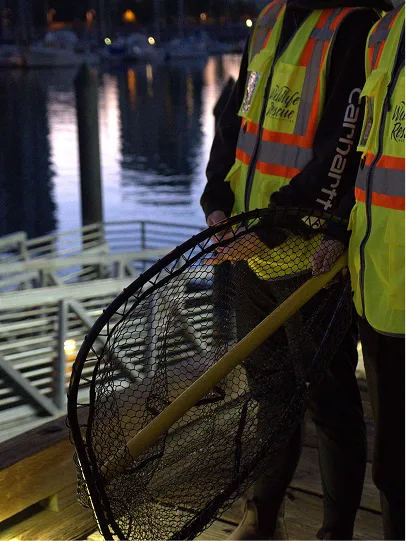
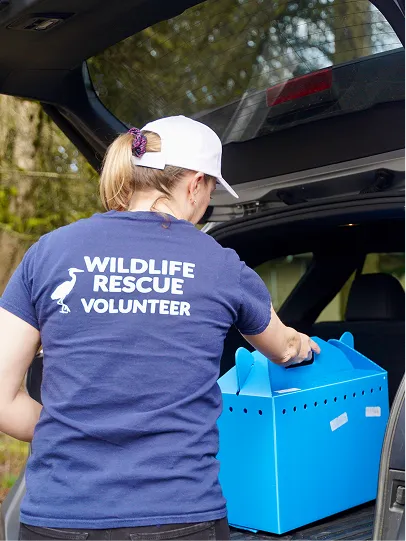
Our rescue, transport, and release staff and volunteers are a lifeline for wildlife in crisis. They assist the public with capture and containment and provide critical transport that bridges the gap between rescue and care. As skilled wildlife first responders, they safely navigate delicate and hazardous rescue situations — like a heron trapped in netting or a goose family with goslings stuck on a high rise.
- Assisting public with safe capture and containment
- Emergency transport to rehabilitation centre
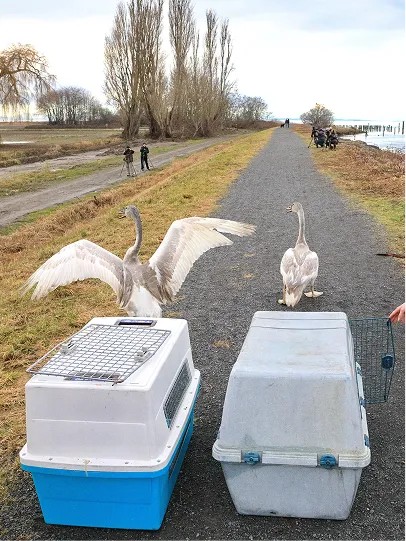
- Returning recovered animals to their natural habitats
- Operating across B.C.'s diverse terrain and communities
Wildlife education
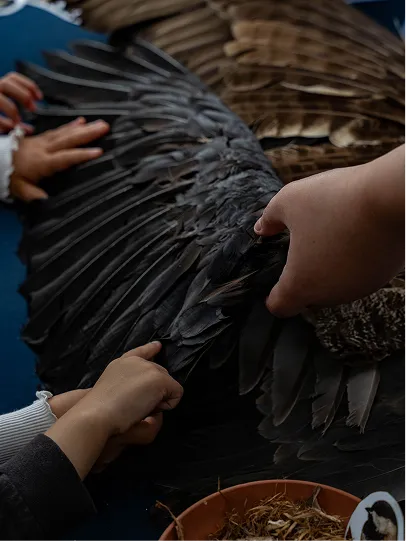
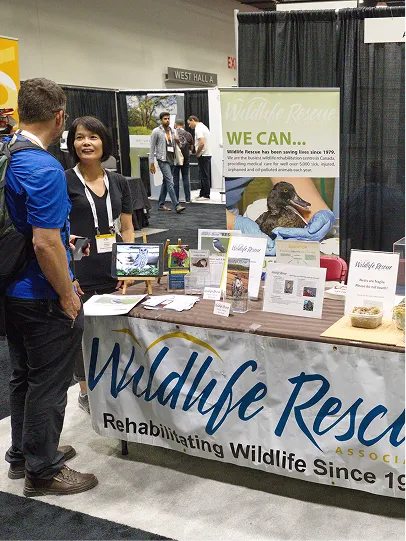
Our education team provides engaging educational materials and opportunities that equip people with the knowledge, tools and resources to live alongside wildlife. We foster a shared responsibility and help create safe environments where both people and wildlife can thrive.
- Foundational wildlife knowledge
- Science-based learning resources and opportunities
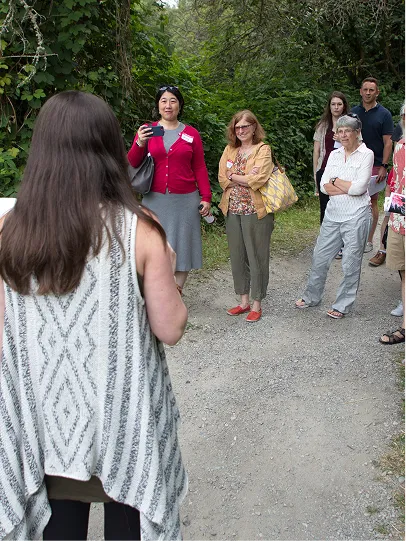
- Community workshops and events
- Wildlife co-existence and injury prevention tools and skills
With your generous support, thousands of birds, bats, reptiles and amphibians can receive medical care and temporary refuge each year.
Donate