Help protect gulls: spotting signs of toxicosis
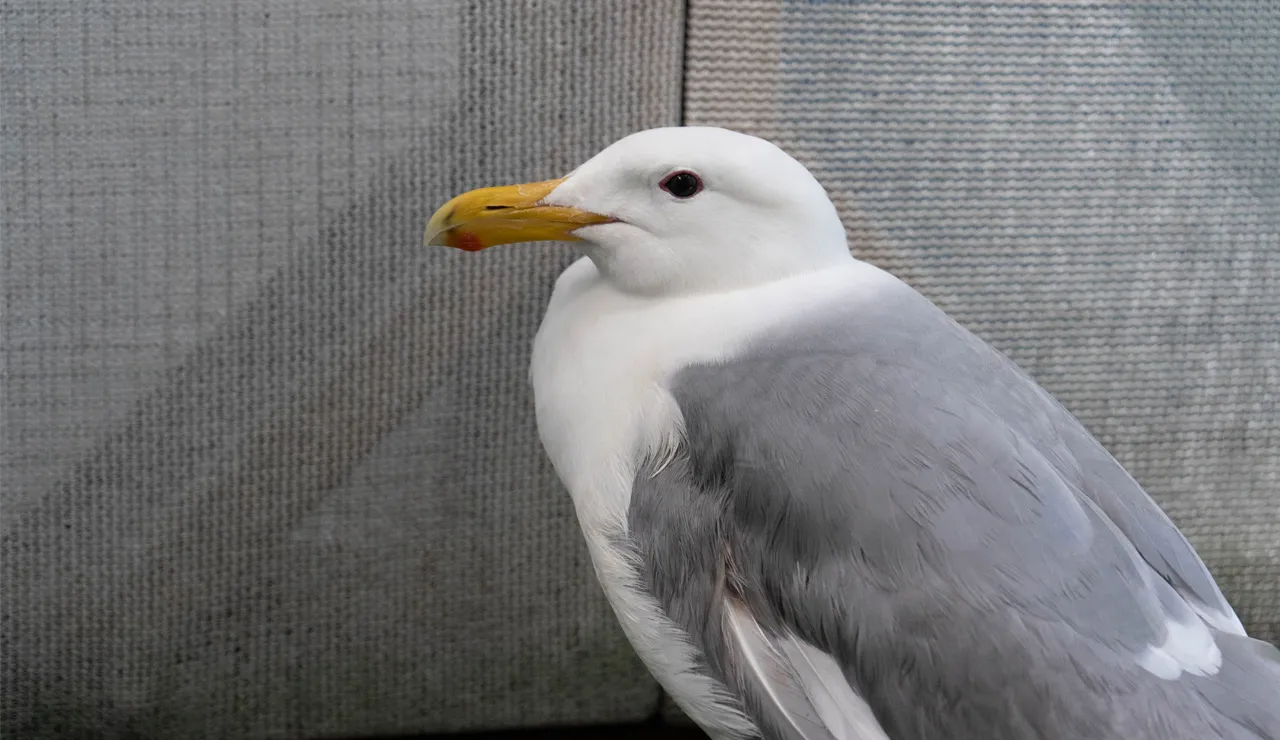
Recently, there has been an uptick in gulls admitted with symptoms of toxicosis, a condition caused when toxins, such as those from algal blooms or decaying organic matter, are ingested.
Since the end of October 2025, more than 30 gulls with toxicosis symptoms have been admitted at Wildlife Rescue, which is a significant increase from previous years. While we can't say for sure, we suspect it may be connected to seasonal environmental changes.
Gulls are especially vulnerable because they’re opportunistic feeders, eating whatever they may find.
Wildlife Rehabilitation Co-Manager, Kendra, recorded a short video to explain toxicosis in a bit more detail.
Toxicosis Symptoms to Watch Out For In Wild Birds:
- Wobbly or unsteady
- Disoriented/lack of coordination
- Weak or lethargic
- Lying in one spot for long periods
It’s important to note that these symptoms are also common with serious diseases like Avian Influenza. If you see a gull or other bird with these symptoms, please contact Wildlife Rescue’s Support Centre through our webform before intervening.
As always, if you have any questions, please don’t hesitate to contact us.
Thank you for helping protect our feathered neighbours!