Everything You Need to Know About Avian Influenza
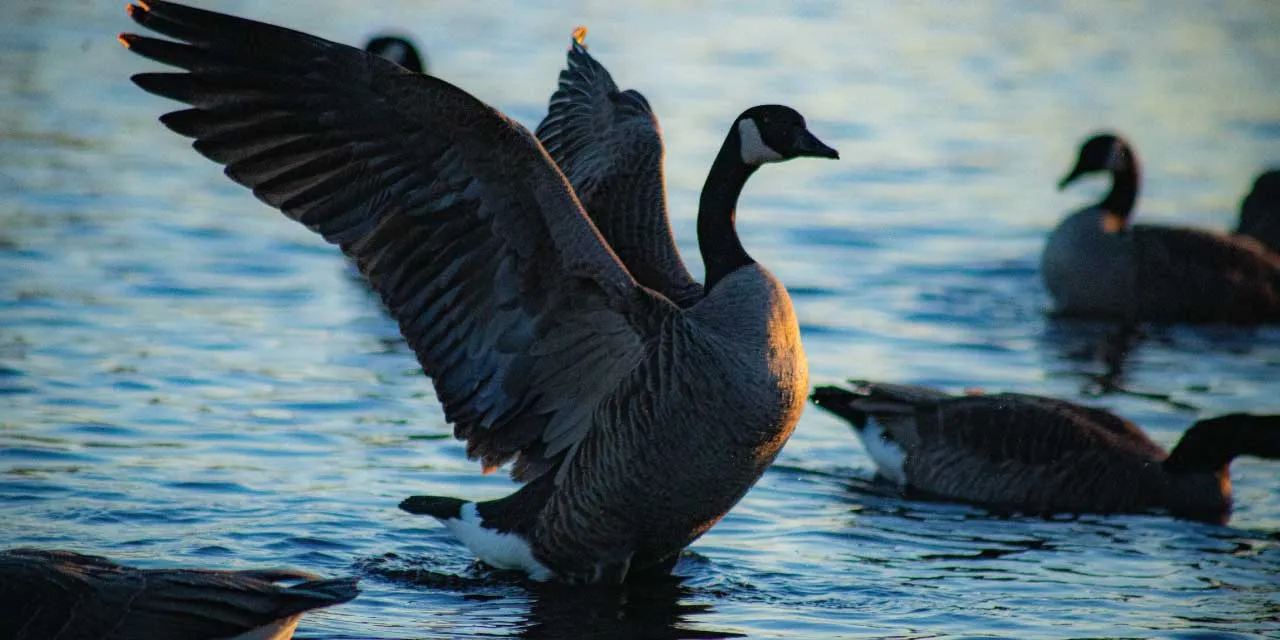
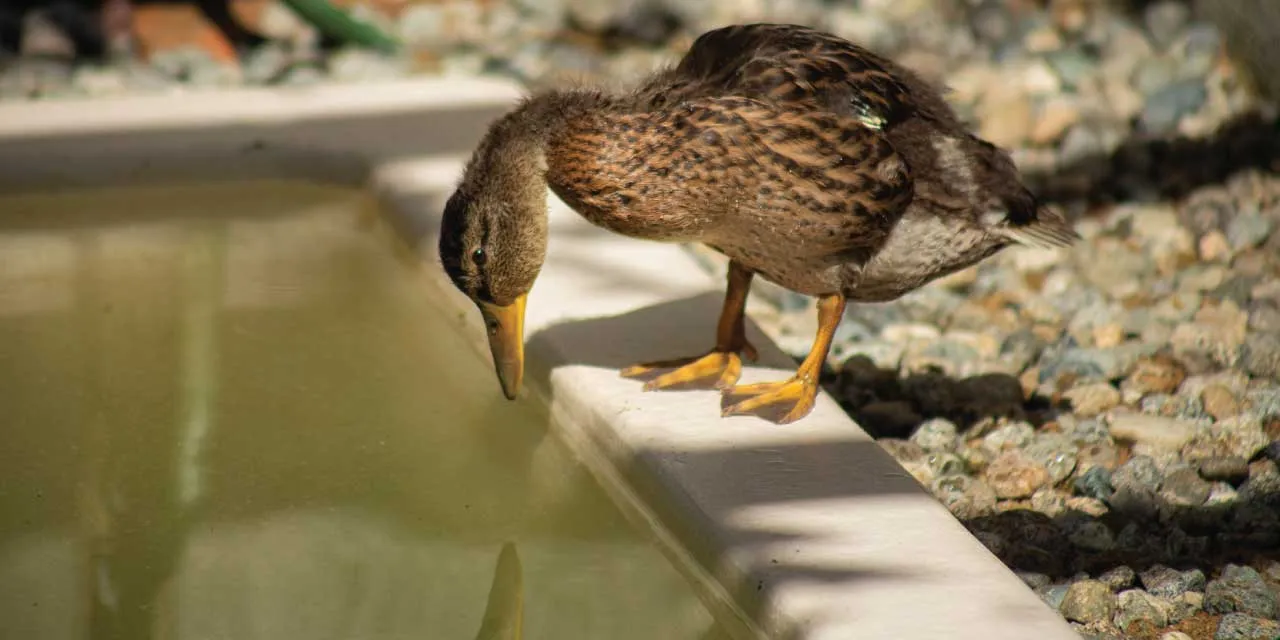
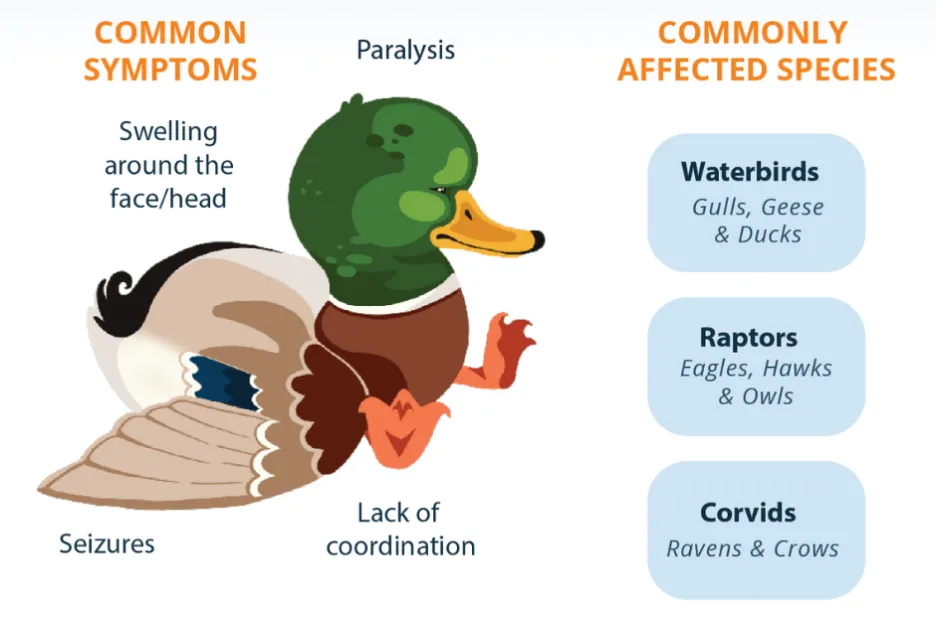
Avian influenza primarily affects domestic poultry and wild birds and is highly contagious amongst birds. Wild species most affected by avian influenza are ducks, geese, raptors and corvids (like crows and ravens). There is currently no treatment for the virus, and it can be very deadly to birds.
Wildlife Rescue notices an increase in birds presenting with contagious avian diseases, such as avian influenza, during fall and spring migration as birds naturally come together in large numbers.
Common symptoms of avian flu include:
- Seizures
- Lack of energy or movement
- Paralysis
- Swelling around the face/head
- Lack of coordination
- Cloudy eyes
Most recent updates on avian influenza
For the most current guidance regarding wild birds, bird feeders, caring for domestic birds, and reporting sick or dead birds please visit the official Government of Canada website.
For a detailed overview, you can also refer to the BC Avian Infuenza Dashboard.
Wildlife Rescue is not responsible for the surveillance of avian influenza in Canada. For the most up-to-date reports and information on the status of avian influenza in Canada, please refer to the Government of Canada website.
What to do when you encounter sick wildlife
While we understand it can be concerning to encounter sick wildlife in your community, there are various risks involved when handling wild animals. With protective measures for our staff, volunteers, and patients in place, Wildlife Rescue continues to accept sick animals. However, with recent developments regarding the Avian Influenza Virus (AIV), the federal government is advising the public not to handle sick wildlife at this time. You can find additional government guidance regarding AIV here.
Do not touch the bird before contacting Wildlife Rescue or the Interagency Wild Bird Mortality Line. They will give you PPE guidance depending on the situation at hand.
Some other things to keep in mind:
- Do not bring sick wild animals into your home.
- Keep your pets away from sick or dead animals and their feces.
- Report sick or dead animals as follows:
Found a deceased duck, swan, goose, raptor or three or more deceased birds together?
Contact the Interagency Wild Bird Mortality Line at 1-866-431-2473. The Interagency Wild Bird Mortality Line is a monitoring program that reports back to government agencies. You can find more information on the program here.
Found a live bird with avian flu symptoms? Contact our Support Centre at our webform.
Dropping off sick animals at Wildlife Rescue
At Wildlife Rescue, isolation drop-off spaces are in place to hold any patients suspected of carrying contagious diseases. We ask everyone bringing in sick animals to drop these off in the designated isolation drop-off space and follow the guidelines given to you by our Support Centre staff to help prevent disease from spreading.
FAQ:
Have there been any recent positive cases in BC?
This avian influenza dashboard shows test results from across Canada.
Should I be worried about my own health?
In general, the risk to human health from wild birds infected with an avian influenza virus (both low and high pathogenic strains) is considered to be low. You can read more here.
However, since research regarding avian influenza is ongoing, it’s important to adhere to government guidelines, such as the recommendation to not handle sick wild birds.
You can find more government information and guidelines here.
Can I get avian influenza from petting a bird?
The government recommends not to touch or handle sick birds or animals. Avian influenza is a respiratory disease. If you touch a sick bird or animal, then touch your eyes, nose, mouth or face, it is possible for you to get sick.
If you do touch a sick bird or animal, always wash your hands with soap and water and after removing gloves. Clean, disinfect or dispose of any potentially contaminated clothing, equipment or surface.
If you have touched or handled a sick or dead animal, watch for symptoms for 10 days after exposure. You can find additional guidance from the BC Centre of Disease Control here.
Can eggs/dairy transmit the avian influenza virus to humans?
Currently, the Canadian government states: “There is no evidence to suggest that eating cooked poultry or eggs could transmit the virus to humans.” You can read more here.
A sick bird was in my yard, will my dog get sick?
Avian influenza, primarily adapted to birds, is not as easily transmitted to mammals. While much less common, many types of mammals have been infected including pigs, horses, dogs, domestic and wild cats, foxes, cows, goats, squirrels, mice, skunks, marine mammals, bears, mustelids, opossums and humans.
If your pet has been in contact with a sick bird, it’s important to monitor for symptoms. Fever, lethargy, eye infections, lack of appetite, difficulty breathing, or neurological issues (like seizures or tremors) are symptoms of avian influenza to look out for in dogs and cats.
If your pet is showing symptoms of avian influenza, contact your veterinarian immediately. If you do not have a vet, you can find the closest one to you here.
You can find additional information on how to protect your pet from avian influenza here.
Should I be worried about cleaning bird feeders in my sink?
Using a dedicated tub or laundry room sink may be wise to prevent splatter of any pathogens from bird feeders onto food preparation surfaces. Whether you clean your feeders in a sink, tub, or outside, we advise thoroughly disinfecting the area where you clean any feeders when you’re done.
How do I disinfect my patio/items on my patio?
When disinfecting any items it’s important to wear the necessary PPE, like gloves and a mask. Clean the contaminated area with soap and water and then disinfect the space and cleaning items.
Wash your hands with warm soapy water after removing your gloves. Be sure to dispose of the PPE and other contaminated items in a plastic bag.
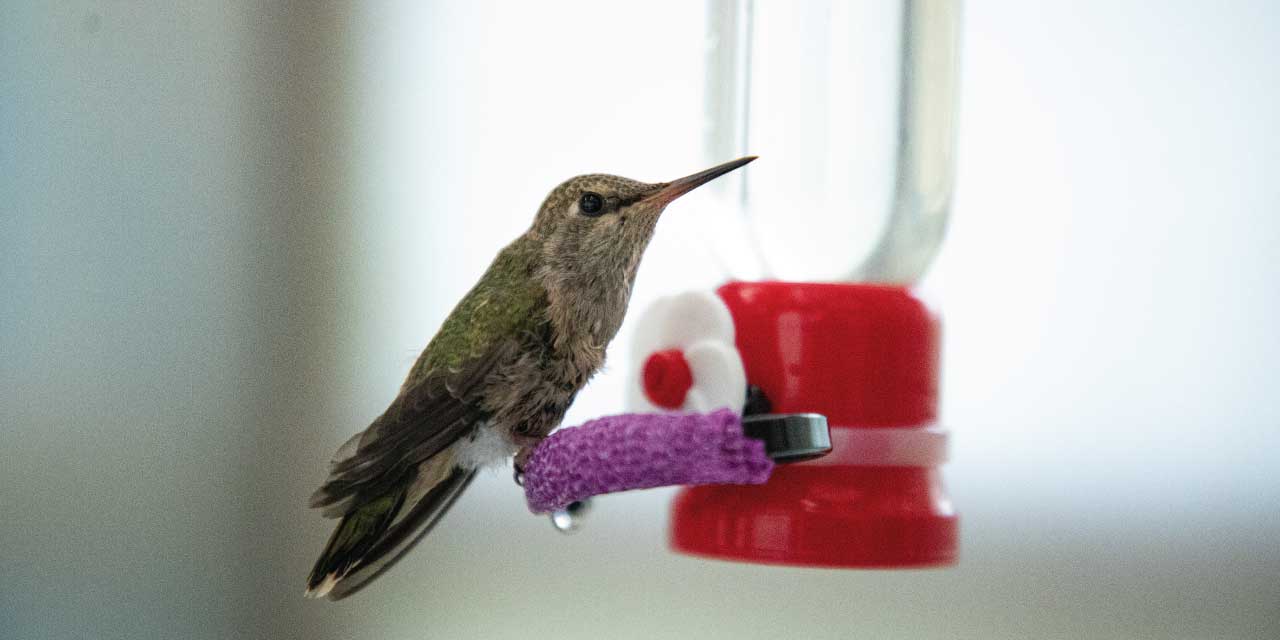
Can all birds get avian influenza? Has avian influenza been detected in hummingbirds?
Avian influenza is most prevalent in waterfowl and shorebirds, as well as any bird that scavenges or preys upon these birds i.e. birds of prey, gulls and corvids. However, other species may also become ill with avian flu.
Thus far, we are unaware of any reports of hummingbirds being affected by the avian influenza virus in Canada. If you’d like to stay updated about the species impacted by avian influenza, this government dashboard provides an up-to-date overview. Cornell Lab also shares a detailed list of affected species.
More commonly observed diseases among hummingbirds include fungal infections like candidiasis. This fungal infection causes a hummingbird’s tongue to swell, making it impossible for them to eat. As with other avian diseases, the spread of candidiasis can be prevented by cleaning feeders regularly.